
The Architect of Tomorrow: Why Leadership Demands Creative Vision
Introduction:
Ever wondered what truly separates a manager from a leader? It’s not just authority; it’s the spark of innovation, the ability to envision a future others can’t yet see. Leadership, at its core, isn’t about maintaining the status quo. It’s a fundamentally creative act. It’s a continuous process of invention and reinvention. But how do you actually cultivate that creative leadership? Prepare to challenge your assumptions.
I remember a time working on a project. We were hitting dead end after dead end. Morale was low, and the path forward seemed obscured by problems. The manager kept insisting we follow the predefined plan, the team leader recognized we needed to change. It wasn’t comfortable. There was hesitation, worry, fear. But he listened to our diverse perspectives and empowered us to experiment with new approaches. He wasn’t afraid to challenge traditional methods. That project was a learning experience. It highlighted the critical role of creative leadership in turning around a failing project and unlocking the team’s potential. He didn’t tell us what to think; he helped us think differently.
What is Creative Leadership? Deconstructing the Core.
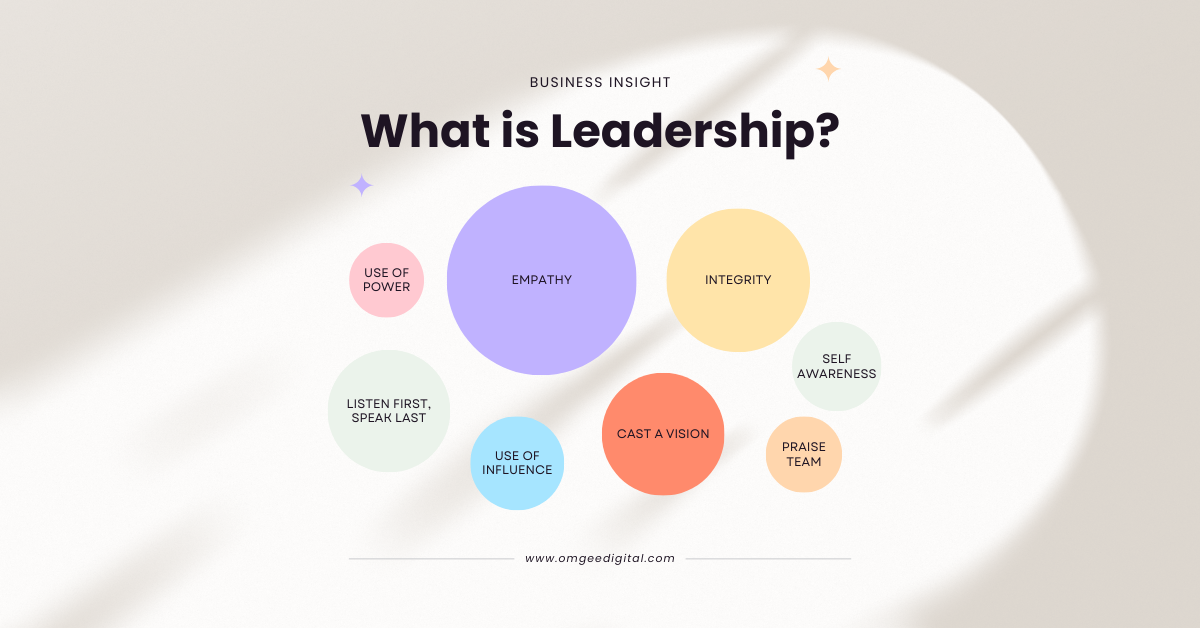
Creative leadership isn’t about artistic flair; it’s about problem-solving with an innovative mindset. It’s about:
- Visionary Thinking: The ability to anticipate future trends and opportunities.
- Strategic Innovation: Devising creative solutions to complex challenges.
- Empathetic Collaboration: Fostering a culture of collaboration and psychological safety where team members feel empowered to contribute their unique ideas.
- Adaptive Resilience: Embracing change and learning from setbacks with flexibility and determination.
- Inspiring Others: Articulating a compelling vision that motivates and inspires others to contribute their best efforts.
(Analogies & Examples): Think of an orchestra conductor. They don’t play every instrument, but they guide a diverse group of musicians to create a harmonious symphony. A creative leader is similar: they orchestrate the talents and skills of their team to create something extraordinary.
Imagine a tech company facing market disruption. A traditional leader focuses on cost-cutting. A creative leader, on the other hand, would explore new product lines, partnerships, or even business models. This creative approach transforms a threat into an opportunity for growth and innovation.
New Insights: The Latest Research on Creative Leadership
Recent studies have challenged some existing assumptions about creative leadership, offering new insights into its effectiveness and impact.
- The Power of Psychological Safety: A 2024 study was published in the Journal of Applied Psychology. It found that teams with high levels of psychological safety were significantly more innovative. They were much more innovative than teams lacking it. Creative leaders prioritize creating an environment where team members feel safe to take risks. They ensure team members can share their ideas without fear of judgment. They also prevent fear of failure from inhibiting creativity.
- Implication: Leaders should focus on building trust and encouraging open communication within their teams.
- The Importance of Diversity and Inclusion: Research from 2025 highlights the importance of diverse perspectives in driving creative problem-solving. Teams with diverse backgrounds, experiences, and perspectives are better equipped to generate innovative solutions. Creative leaders actively seek out and value diverse perspectives, fostering an inclusive environment where everyone feels valued and respected.
- Implication: Leaders should promote diversity and inclusion within their teams to leverage the full potential of their talent.
- The Role of Emotional Intelligence: Emotional intelligence (EQ) is increasingly recognized as a critical competency for creative leaders. EQ allows leaders to understand and manage their own emotions. It also helps them manage the emotions of others. This fosters empathy, collaboration, and effective communication. Studies have shown that leaders with high EQ can better inspire their teams. They are more able to motivate them, driving creativity and innovation.
- Implication: Leaders should develop their emotional intelligence skills to enhance their ability to connect with and inspire their teams.
- The impact of cross-functional collaboration on innovation: A 2024 white paper by Deloitte revealed critical findings. Organizations that foster cross-functional collaboration saw a 30% increase in successful innovation projects. Organizations that encourage teamwork across departments see significant benefits. Leaders who encourage collaboration across departments and disciplines are better equipped to generate creative solutions to complex challenges.
- Implication: Leaders should actively promote cross-functional collaboration within their organizations to foster innovation and drive business growth.
Practical Applications: Unleashing Creative Leadership in the Real World
So, how can you apply these insights in your own leadership journey?
- Embrace Experimentation: Encourage your team to try new things, even if they fail. View failures as learning opportunities.
- Seek Diverse Perspectives: Actively solicit input from people with different backgrounds and experiences.
- Foster a Culture of Psychological Safety: Create an environment where people feel safe. Encourage sharing of ideas without fear of criticism.
- Develop your EQ: Practice empathy, active listening, and emotional regulation.
- Be a Visionary: Articulate a compelling vision for the future and inspire your team to work towards it.
Subtopics for Enhanced Understanding:
- Key Features: Adaptability, empathy, collaboration, futuristic vision, and decisiveness.
- Regulatory Mechanisms: Establishing clear goals, and guidelines that promotes creative leadership.
- Protective Barriers: Identifying and addressing potential barriers to innovation, such as resistance to change or lack of resources.
- Innovative Discoveries: Research on how the human brain fosters creativity and innovation.
- Future Directions: Exploring the role of AI and technology in enhancing creative leadership.
Resilience, Innovation, and the Human Experience:
Creative leadership is not just about business results; it’s about unlocking human potential. It’s about empowering individuals to think differently, challenge assumptions, and create a better future for themselves and others. It is deeply ingrained in the human experience and is essential for progress.
Conclusion:
The world needs more creative leaders—individuals who can navigate complexity, inspire innovation, and drive meaningful change. Are you ready to embrace your inner architect and build a better tomorrow? Can you see the opportunities hidden within challenges? What will you create?
Comprehensive Leadership Programs
From Employee to CEO: Leading Your Life to Greatness
