
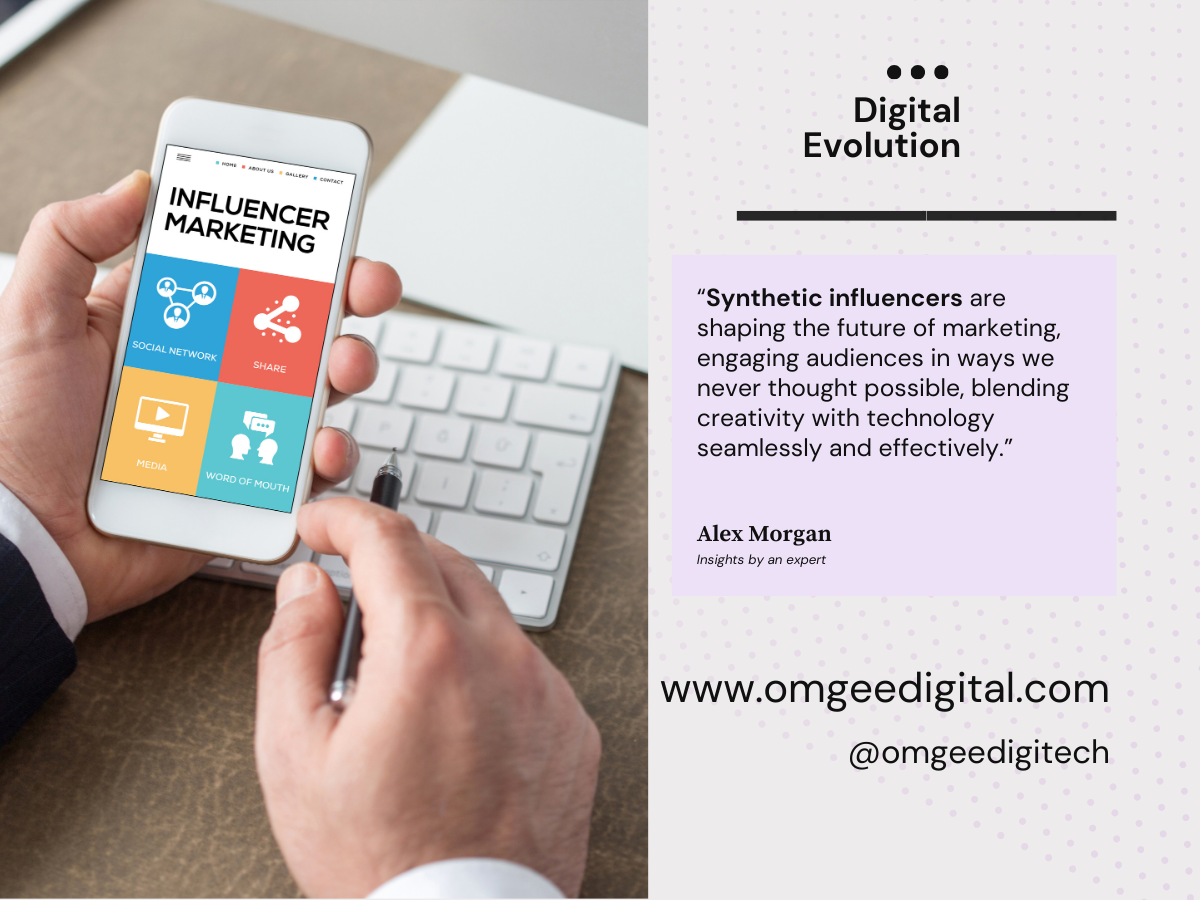
In the ever-evolving landscape of social media, a new breed of influence’s is emerging – synthetic influence’s. These AI-created digital personalities are reshaping the influencer marketing industry. They challenge our perceptions of authenticity and reality in the digital realm. This comprehensive exploration will delve into the world of synthetic influence’s. It will examine their impact and potential. Additionally, it will consider the implications for brands and consumers alike.
What Are Synthetic Influencers?
Synthetic influencers are computer-generated characters. They are also known as virtual influencers or AI influencers. These characters are designed to mimic human influencers on social media platforms. These digital personas are created using advanced CGI and AI technologies. This allows them to interact with audiences and promote products. They can even advocate for social causes, all without being real people.
Key Characteristics:
- Lifelike appearances and personalities
- Active social media presence
- Brand collaborations and sponsorship’s
- Consistent content creation
- Ability to engage with followers
The Growing Popularity of Synthetic Influencers
The synthetic influencer market is experiencing rapid growth, with projections indicating significant expansion in the coming years. According to recent data, the virtual influencer market will grow at a compound annual growth rate (CAGR) of 23%. This growth is expected to occur during the forecast period of 2024-2032. This surge in popularity can be attributed to several factors:

- Technological Advancements: Improvements in AI and CGI technologies have made it possible to create increasingly realistic and relatable virtual characters.
- Cost-Effectiveness: Synthetic influencers don’t require physical photoshoots, travel, or other expenses linked to human influencers.
- Control and Consistency: Brands have more control over the messaging and image of synthetic influencers, ensuring brand alignment.
- Novelty Factor: The uniqueness of virtual influencers attracts curiosity and engagement from audiences.
Top Synthetic Influencers Shaping the Digital Landscape

Several synthetic influencers have gained significant followings and are making waves in the influencer marketing space. Let’s explore some of the most prominent virtual personalities:
1. Lil Miquela (@lilmiquela)
Lil Miquela, created by the Los Angeles-based startup Brud, is arguably the most famous synthetic influencer. With over 3 million followers on Instagram, she has collaborated with major brands like Prada and Calvin Klein. Miquela’s content spans fashion, music, and social activism, blurring the lines between virtual and reality.

Real-World Example: In 2018, Lil Miquela starred in a controversial Calvin Klein ad. She appeared alongside model Bella Hadid. This sparked discussions about the ethics of using virtual influencers in advertising campaigns.
2. Shudu Gram (@shudu.gram)
Known as the world’s first digital supermodel, Shudu Gram was created by photographer Cameron-James Wilson. With over 200,000 followers on Instagram, she has modeled for brands like Balmain and Fenty Beauty. Shudu’s success demonstrates that digital creations can command as much influence as human models in the fashion industry.
3. Ayayi
Ayayi is a Chinese virtual influencer known for her realistic appearance and engaging social media presence. She focuses on fashion, lifestyle, and cultural topics, reflecting the interests and trends of her target audience. Ayayi’s ability to cross cultural and linguistic boundaries showcases the global potential of synthetic influencers.
The Impact of Synthetic Influencers on Marketing Strategies
The rise of synthetic influencers is transforming influencer marketing strategies in several ways:
1. Enhanced Brand Control
Synthetic influencers offer brands unprecedented control over their messaging and image. Unlike human influencers, virtual personalities can be fine-tuned to align perfectly with a brand’s values and aesthetic.
Implementation Tip: When creating a synthetic influencer for your brand, develop a comprehensive backstory and personality. Ensure it resonates with your target audience. It should also embody your brand values.
2. 24/7 Availability and Consistency
Virtual influencers don’t face the limitations of human influencers, such as fatigue or scheduling conflicts. They can maintain a consistent posting schedule and be available for engagement at any time.
Implementation Tip: Leverage the round-the-clock availability of synthetic influencers. Implement real-time engagement strategies. Try sessions like live Q&A or interactive storytelling.
3. Cross-Cultural Appeal
Synthetic influencers can appeal to diverse audiences. They can do this across different cultures and languages. This expands a brand’s global reach.
Implementation Tip: Consider creating multiple synthetic influencers. Tailor them to specific cultural contexts. Alternatively, collaborate with existing virtual personalities. Make sure they resonate with your target markets.
4. Innovative Storytelling Opportunities
The fictional nature of synthetic influencers allows for creative storytelling that is not be possible with human influencers. Brands can craft immersive narratives and experiences around these virtual personalities.

Implementation Tip: Develop a compelling storyline for your synthetic influencer that integrates your brand’s products or services naturally. This includes virtual travel adventures, futuristic scenarios, or fantastical experiences that showcase your offerings.
Balancing Online and Offline Strategies with Synthetic Influencers
While synthetic influencers primarily exist in the digital realm, it’s crucial to balance online and offline strategies to create a well-rounded marketing approach:
Online Strategies:
- Social Media Engagement: Leverage synthetic influencers across various platforms to interact with followers and promote products.
- Virtual Events: Host online events or webinars featuring synthetic influencers as speakers or hosts.
- Augmented Reality (AR) Experiences: Create AR filters or experiences that allow users to interact with virtual influencers in real-world settings.
Offline Strategies:
- Physical Merchandise: Develop tangible products featuring synthetic influencers, such as clothing lines or collectibles.
- Pop-up Installations: Create immersive physical spaces that bring the world of synthetic influencers to life.
- Traditional Media Integration: Feature synthetic influencers in print advertisements, billboards, or television commercials.
- Local Business Collaborations: Partner with local businesses to create unique, location-specific experiences that blend the virtual and physical worlds.
Implementation Tip: Organize a scavenger hunt. Combine online clues from a synthetic influencer with physical locations in a community. Encourage participants to explore local businesses. They can engage with the virtual personality.
Ethical Considerations and Challenges
The rise of synthetic influencers raises important ethical questions and challenges that brands and marketers must address:
1. Transparency and Disclosure
It’s crucial to be transparent about the nature of synthetic influencers to maintain trust with audiences. Many social media users do not immediately recognize that an influencer is computer-generated.
Implementation Tip: Clearly state in the profile bio and regularly in posts that the influencer is a virtual creation. This transparency can actually increase engagement as audiences appreciate honesty.
2. Authenticity and Emotional Connection
Synthetic influencers can be designed to be relatable. However, concerns exist about the depth of emotional connection possible with a non-human entity.
Implementation Tip: Focus on creating genuine, value-driven content. It should resonate with your audience’s real experiences and emotions. This is true even if the content comes from a virtual source.
3. Job Displacement Concerns
The growth of synthetic influencers has raised concerns about potential job displacement for human influencers and models.
Implementation Tip: Consider using synthetic influencers in conjunction with human influencers, creating collaborative campaigns that leverage the strengths of both.
4. Data Privacy and Security
The data collected through interactions with synthetic influencers must be handled responsibly and securely.
Implementation Tip: Implement robust data protection measures. Be transparent about how user data is collected, used, and stored when interacting with synthetic influencers.
The Future of Synthetic Influencers
As technology continues to advance, we can expect synthetic influencers to become even more sophisticated and integrated into marketing strategies. Some potential developments include:
- Enhanced AI capabilities allowing for more natural, real-time interactions
- Integration with emerging technologies like virtual reality (VR) and the metaverse
- Expansion into new industries beyond fashion and lifestyle
- Development of niche virtual influencers catering to specific interests or communities
Conclusion
The rise of synthetic influencers represents a fascinating intersection of technology, creativity, and marketing. These AI-created social media stars continue to gain popularity. They offer exciting opportunities for brands to connect with audiences in innovative ways. However, it’s essential to approach this new frontier with ethical considerations. We must balance the potential of virtual influencers with the need for authenticity and transparency.
As we look to the future, several thought-provoking questions emerge:
- How will the relationship between human and synthetic influencers evolve?
- What role will synthetic influencers play in shaping cultural trends and social norms?
- How can local businesses and communities leverage the power of synthetic influencers to drive engagement and support?
- What new technologies emerge to further blur the lines between virtual and reality in influencer marketing?
As marketers, brands, and consumers, we must navigate this new landscape thoughtfully. We should embrace the opportunities. We must also stay mindful of the challenges. The rise of synthetic influencers is not just a trend. It offers a glimpse into the future of digital interaction. It also shapes brand communication.
