
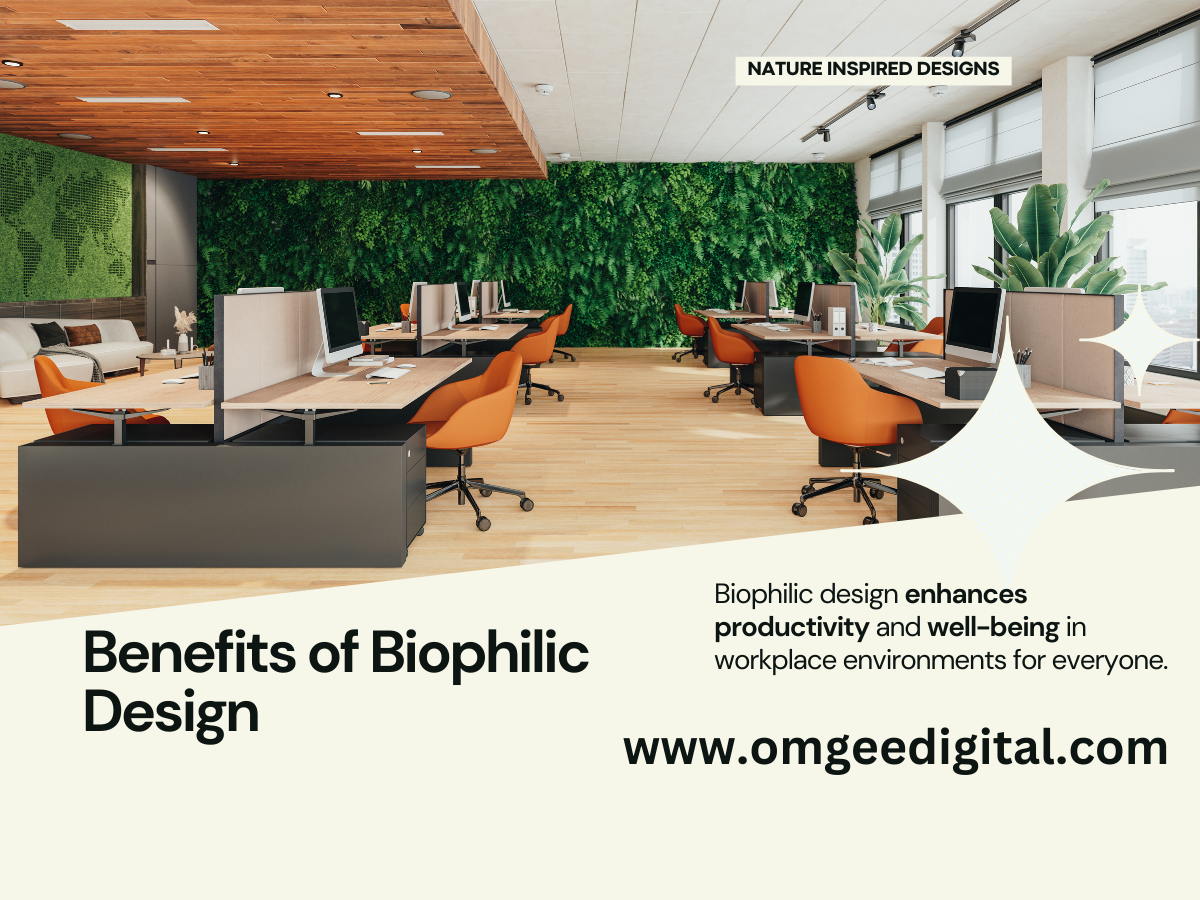
In today’s fast-paced, technology-driven world, the concept of biophilic design is gaining traction as a way to reconnect employees with nature and improve their overall well-being. This innovative approach to workplace design seeks to incorporate natural elements into the built environment, creating spaces that are not only aesthetically pleasing but also conducive to productivity, creativity, and employee satisfaction.
What is Biophilic Design?
Biophilic design is an architectural and interior design approach that aims to strengthen the human-nature connection within built environments. The term “biophilia” was coined by psychologist Erich Fromm and later popularized by biologist Edward O. Wilson, who suggested that humans have an innate affinity for nature and living things.
In the context of workplace design, biophilic elements can include:
- Natural light and ventilation
- Indoor plants and green walls
- Water features
- Natural materials like wood and stone
- Nature-inspired colors and patterns
- Views of nature or nature-inspired artwork
The Benefits of Biophilic Design in the Workplace
Implementing biophilic design in office spaces has been shown to have numerous benefits for both employees and employers. Let’s explore some of the key advantages:

Discover the Benefits of Biophilic Design for Offices
Biophilic design integrates natural elements into office spaces to create environments that promote well-being, productivity, and creativity. By incorporating features like greenery, natural light, and organic materials, biophilic design reduces stress, enhances mood, and fosters a sense of connection to nature. Research shows that such spaces boost employee engagement, improve focus, and even lower absenteeism. In addition to these human benefits, biophilic offices often contribute to sustainability by reducing energy usage and improving air quality. Transform your workplace with biophilic design and experience the perfect blend of wellness, innovation, and environmental responsibility.
1. Improved Well-being and Reduced Stress
Research has demonstrated that exposure to natural elements can significantly reduce stress levels and improve overall well-being. A study conducted by researchers at the University of Hyogo in Japan found that simply looking at a small indoor plant for a few minutes can reduce stress and anxiety levels.
2. Increased Productivity and Creativity
Biophilic design has been linked to enhanced productivity and creativity in the workplace. A Human Spaces report revealed that employees working in environments with natural elements reported a 15% higher level of well-being, a 6% increase in productivity, and a 15% increase in creativity compared to those in workplaces without these elements.
3. Better Air Quality
Incorporating plants into the workplace can improve air quality by reducing indoor air pollutants and increasing oxygen levels. This can lead to fewer sick days and improved cognitive function among employees.
4. Enhanced Employee Satisfaction and Retention
Workplaces that prioritize biophilic design tend to have higher levels of employee satisfaction and lower turnover rates. A study by the University of Exeter found that employees in green-certified buildings had 26% higher cognitive function scores and 30% fewer sick-building symptoms compared to those in conventional buildings.
Strategies for Implementing Biophilic Design in the Workplace
Now that we understand the benefits of biophilic design, let’s explore some practical strategies for incorporating these elements into your workplace, including both online and offline methods.

1. Maximize Natural Light (Offline)
Implementation Tips:
- Arrange workstations near windows
- Use glass partitions to allow light to flow through the space
- Install skylights or light tubes in areas with limited access to windows
Real-world Example:
The Apple Park campus in Cupertino, California, features a circular design with floor-to-ceiling windows that maximize natural light and provide panoramic views of the surrounding landscape.
2. Incorporate Indoor Plants (Offline)
Implementation Tips:
- Place potted plants throughout the office
- Install living walls or vertical gardens
- Create indoor gardens or plant-filled atriums
Real-world Example:
Amazon’s Spheres in Seattle feature over 40,000 plants from around the world, creating a lush, forest-like environment for employees to work and relax in.
3. Use Natural Materials (Offline)
Implementation Tips:
- Opt for wooden furniture and flooring
- Incorporate stone elements in walls or countertops
- Use natural fabrics like cotton, wool, or linen for upholstery

Real-world Example:
The Bullitt Center in Seattle extensively uses locally-sourced, sustainably harvested wood throughout the building, creating a warm and inviting atmosphere.
4. Install Water Features (Offline)
Implementation Tips:
- Add small desktop fountains to individual workstations
- Create a central water wall or fountain in common areas
- Design outdoor water features visible from inside the office
Real-world Example:
The Ford Foundation Center for Social Justice in New York City features a stunning atrium with a reflecting pool, bringing a sense of tranquility to the workspace.
5. Implement Biomorphic Patterns and Forms (Online/Offline)
Implementation Tips:
- Use nature-inspired patterns in carpets, wallpapers, or textiles
- Incorporate organic shapes in furniture and architectural elements
- Display digital art featuring natural patterns on screens or projectors

Real-world Example:
The Etsy headquarters in Brooklyn features custom wallpapers and textiles inspired by natural patterns, creating a visually stimulating yet calming environment.
6. Provide Views of Nature (Offline)
Implementation Tips:
- Orient workstations towards windows with natural views
- Create outdoor workspaces or break areas
- If natural views are limited, use large-scale nature photography or murals
Real-world Example:
The Microsoft Treehouse Meeting Spaces in Redmond, Washington, allow employees to conduct meetings in actual treehouses surrounded by nature.
7. Use Nature-inspired Colors (Online/Offline)
Implementation Tips:
- Paint walls in earthy tones or soft greens and blues
- Use color-changing smart bulbs to mimic natural light cycles
- Incorporate digital displays with nature scenes that change throughout the day
Real-world Example:
The Slack headquarters in San Francisco uses a color palette inspired by the California landscape, with each floor representing a different elevation, from sea level to mountaintop.
8. Create Sensory Variability (Online/Offline)
Implementation Tips:
- Vary lighting levels and temperatures throughout the space
- Use sound masking systems that mimic natural sounds
- Implement aromatherapy with natural scents
Real-world Example:
The Bloomberg headquarters in London features a “pantry” area on each floor with different themes inspired by natural environments, providing sensory variability throughout the workday.
9. Incorporate Virtual Nature Experiences (Online)
Implementation Tips:
- Use virtual reality (VR) stations for immersive nature breaks
- Install digital “windows” displaying real-time nature scenes
- Provide nature-themed screensavers and desktop backgrounds

Real-world Example:
The VR company Oculus has implemented VR nature experiences in their offices, allowing employees to take virtual nature breaks during the workday.
10. Encourage Nature-based Activities (Online/Offline)
Implementation Tips:
- Organize outdoor team-building activities
- Create an office garden or green space for employees to tend
- Implement a nature-themed wellness program with both in-person and virtual components
Real-world Example:
Patagonia’s headquarters in Ventura, California, features an on-site organic cafe with produce grown in the company’s garden, encouraging employees to connect with nature through food.
Conclusion
Biophilic design offers a powerful way to enhance the workplace environment, benefiting both employees and employers. By incorporating natural elements and fostering a connection with nature, businesses can create spaces that promote well-being, productivity, and creativity.As we continue to navigate the challenges of modern work life, it’s crucial to consider how our physical environments impact our mental and physical health. Biophilic design provides a solution that not only addresses these concerns but also contributes to sustainability efforts and creates more aesthetically pleasing workspaces.Consider the following questions as you think about implementing biophilic design in your workplace:
- How can you incorporate more natural elements into your current office space?
- What biophilic design strategies would be most beneficial for your team’s specific needs?
- How might biophilic design principles align with your company’s values and culture?
- In what ways could implementing biophilic design support your local community and ecosystem?
By thoughtfully integrating nature into our work environments, we can create spaces that not only look beautiful but also support the health, happiness, and productivity of those who inhabit them. As we move forward,
let’s embrace the power of biophilic design to transform our workplaces into thriving, nature-inspired ecosystems that benefit both people and the planet.

Comments
One response to “Nature-Inspired Workspaces for Innovative and Engaged Employees”
… liked this!